

10 min read
How ID Wallets Are Changing Online Age Verification
June 27, 2024
For years, laws at the national and state level have required brick-and-mortar businesses selling age-restricted products to verify the age of customers to prevent minors from accessing them.
However, this is not the case in the digital world. In recent years, the push for stricter online age verification has increased due to societal concerns about minors accessing inappropriate content and protecting them from its negative impact.
In 2022, Louisiana became the first state to require more rigorous age verification for websites hosting adult content, usually by asking for a government-issued ID. Since then, many states have enacted their own online age verification laws, and others are considering similar measures.
As a result, it has raised important questions about finding an age verification method that offers strong compliance and protection for children, along with exceptional privacy and ease of use for adults.
In this article, we explore the current US regulatory landscape, who these laws affect, compare different age verification methods, and introduce a new solution to solve the current online age verification challenges—ID Wallets.
What Is An Age Verification System?
US age verification laws require websites with content considered “harmful to minors” to use an age verification system to confirm that their users are adults.
This system works as a gatekeeper, making sure only users of a certain age can access specific services or buy age-restricted items. The required age can vary depending on the state you’re in and the type of service or product.
For instance:
- Users must be at least 18 years old to access pornography.
- Users must be at least 21 years old to purchase alcohol.
- For gambling, the minimum age can be either 18 or 21, depending on the state.
Age verification systems require users to provide proof of their age in various ways to confirm they are eligible to access the content or services.
Age Assurance Methods
Many age verification methods exist today, and while each has its pros and cons, none of the most common offers a solution to confirm a user’s age without requiring additional personally identifiable information in a manner that respects users’ rights, privacy, and security.
Self-declaration or age gating: It is the most common of all methods and involves users honestly telling their age before proceeding. It could be as simple as clicking "yes" to a "Are you over 18 years of age?" prompt, adding a birthdate, or selecting an age from a drop-down menu.
While easy to implement, it mainly serves as legal protection for businesses rather than effective child protection since users can easily lie. Therefore, age gating is not a compliant method for reliable age verification.

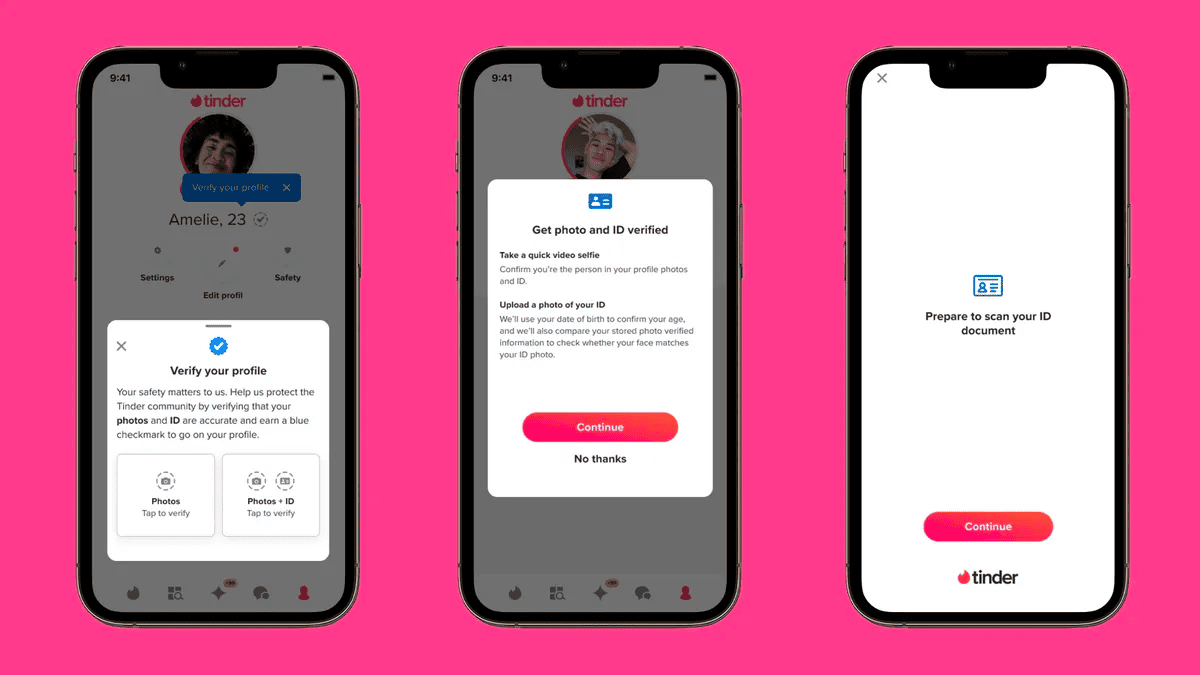
ID verification: Users upload a scanned copy of their government-issued identification. In states where mobile driver’s licenses (mDLs) are issued and accepted, a customer can use these instead of taking a photo of their physical ID.
This is a reliable but data-sensitive method as it raises questions regarding the need for extensive personal information beyond age verification.
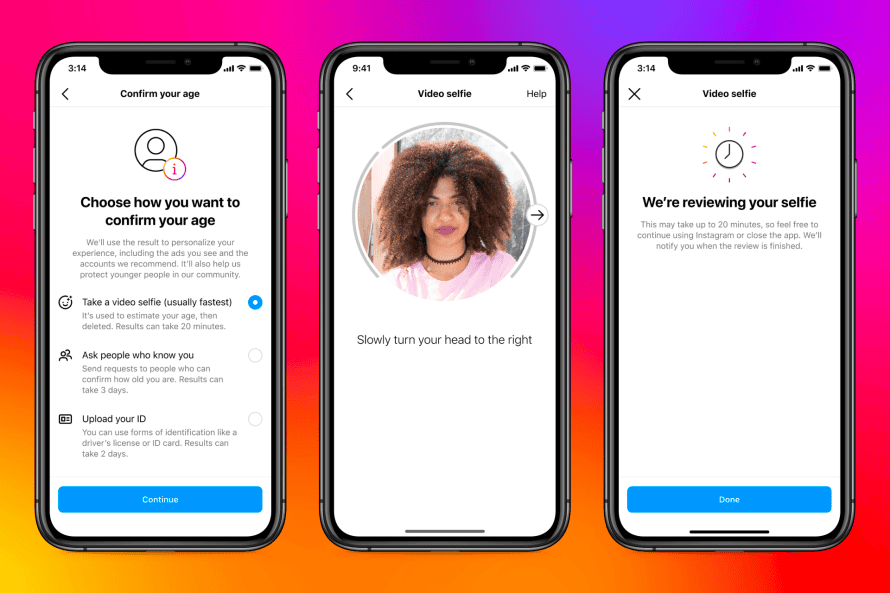
Facial age estimation: Users take a selfie or complete a liveness check, and artificial intelligence (AI) is used to analyze their facial features and estimate their age. However, this method can be tedious and prone to errors, and it raises privacy issues because they may use special categories of personal data.
Moreover, using these applications to estimate a child's age can also lead to excessive data processing and profiling.
Who Is Impacted by US Age Verification Laws?
Age verification laws in the US generally apply to websites where at least 33.33% of the content is considered "harmful to minors." While porn sites clearly fall into this category, other sites with diverse content may also be affected. This includes material with implied sexual content, violence, drug use, or hate speech.
Additionally, businesses that sell age-restricted products or offer services requiring adult consent must also verify ages. These include:
- Tobacco and alcohol sales
- Gambling or iGaming (like poker betting)
- Medical services
- E-commerce businesses selling age-restricted products (alcohol, tobacco, firearms, ammunition, adult content)
- Adult entertainment
- Social media platforms
It is important to note that social media laws differ slightly from other age verification regulations as they address a broader range of online risks beyond exposure to adult content, such as parental controls, time restrictions, and default privacy settings for underage users.
Regulatory Landscape
Currently, there is no federal law in the United States requiring digital platforms to verify the ages of their users. However, this could change if the Shielding Children’s Retinas from Egregious Exposure on the Net (SCREEN) Act, which has been re-introduced this past year, is approved.
Therefore, in the absence of national regulation, individual states have taken matters into their own hands. So far, 18 states have passed age verification laws. These states are Alabama, Arkansas, Florida, Georgia, Idaho, Indiana, Kansas, Louisiana, Mississippi, Montana, Nebraska, North Carolina, Oklahoma, South Carolina, Tennessee, Texas, Utah, and Virginia.
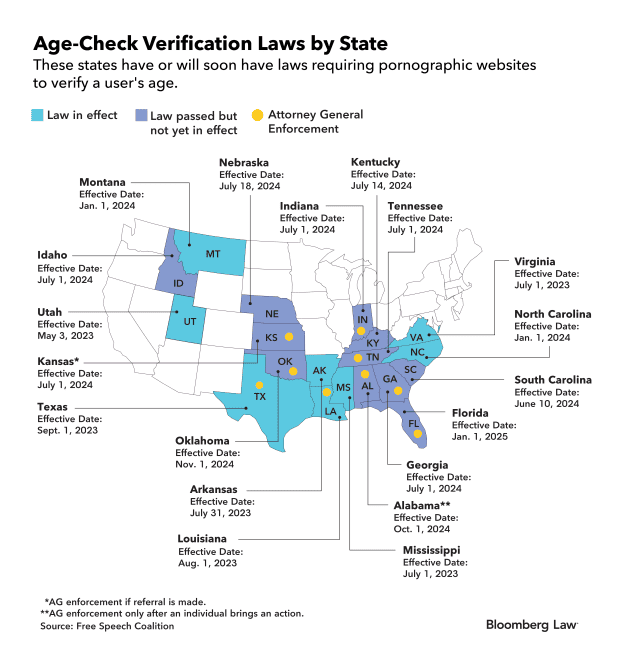
Each state's law has its own specifics regarding which businesses must comply, the required level of age assurance, acceptable verification methods, and penalties for non-compliance, making it challenging for organizations to stay compliant.
Non-compliance consequences
Adult sites that fail to comply with age verification laws face several potential consequences:
- Fines: Non-compliant websites may incur substantial fines, which can vary by state. For example, in Texas, the Attorney General sued Pornhub’s parent company, Aylo, seeking civil penalties of up to $10,000 for each day of non-compliance since the law took effect in September 2023.
- Operational disruptions: Authorities might issue orders to suspend or restrict the operations of non-compliant websites. This can lead to downtime, loss of business, and additional costs for resolving compliance issues.
- Criminal liability: Some states, like Indiana, Tennessee, and Illinois, have proposed legislation that includes criminal charges for failing to implement age verification.
- User base reduction: As a measure to avoid compliance, some platforms have opted to block access in states enforcing age verification laws to avoid risk and liability associated. This can result in a reduced user base, impacting traffic and revenue.
The Current Problem With Online Age Verification
Online age verification has its complexities primarily due to the need to balance reliability, user privacy, and usability.
Privacy and Security Concerns: Age verification systems must be accurate and reliable to prevent minors from accessing age-restricted products or services. However, ensuring this reliability without infringing on users' privacy is a significant challenge.
Users often provide personal details beyond their age during verification, which critics argue poses significant privacy and security risks. For example, porn websites may request a driver's license or government-issued ID, prompting users to ask, “Why do they need my name to verify I’m an adult?”.
This raises natural concerns about associating personally identifiable information with specific adult content websites and preferences, extending this concern to minors who bypass these measures and could leave a traceable online activity record, further compromising their privacy.
Ruffled User Experience: Online age verification processes should be intuitive, simple, and seamlessly integrated into the user journey to minimize friction. Lengthy or complicated verification procedures, such as scanning an ID or performing facial analysis, can lead to abandoned transactions or frustrated customers.
First Amendment Infringement: The First Amendment of the US Constitution protects the freedom of speech and expression, including the right to access information and ideas without government interference.
Critics argue that age verification laws could deter individuals from accessing certain types of content due to anonymity concerns or the fear of being tracked, accidentally restricting access to lawful content for adults.
Thankfully, a new age verification method has emerged that offers legal compliance with even the most stringent regulations and ensures child protection along with exceptional privacy, security, and ease of use: ID Wallets.
The Future of Age Assurance Is ID Wallets: Prepare Now for What’s to Come
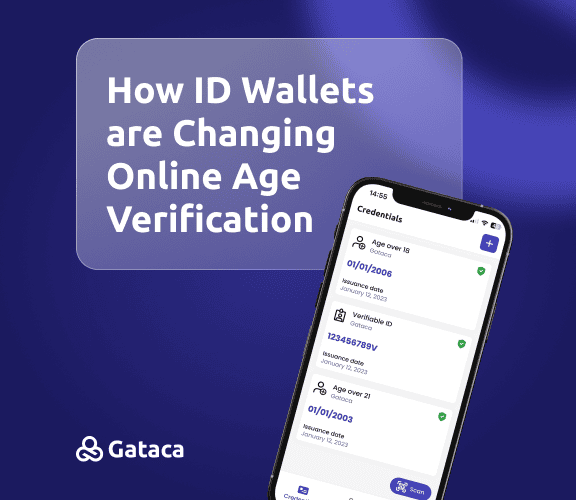
A digital ID wallet, such as the Gataca Wallet, is a phone or website app allowing users to identify and prove facts about themselves via verifiable credentials, which are digital documents containing information about a person.
Imagine it as the digital wallets you use for payments on your phone, such as Apple Pay or Google Pay, but going one step further, storing credentials for identity verification and authentication like national IDs, passports, diplomas, health records, and more.
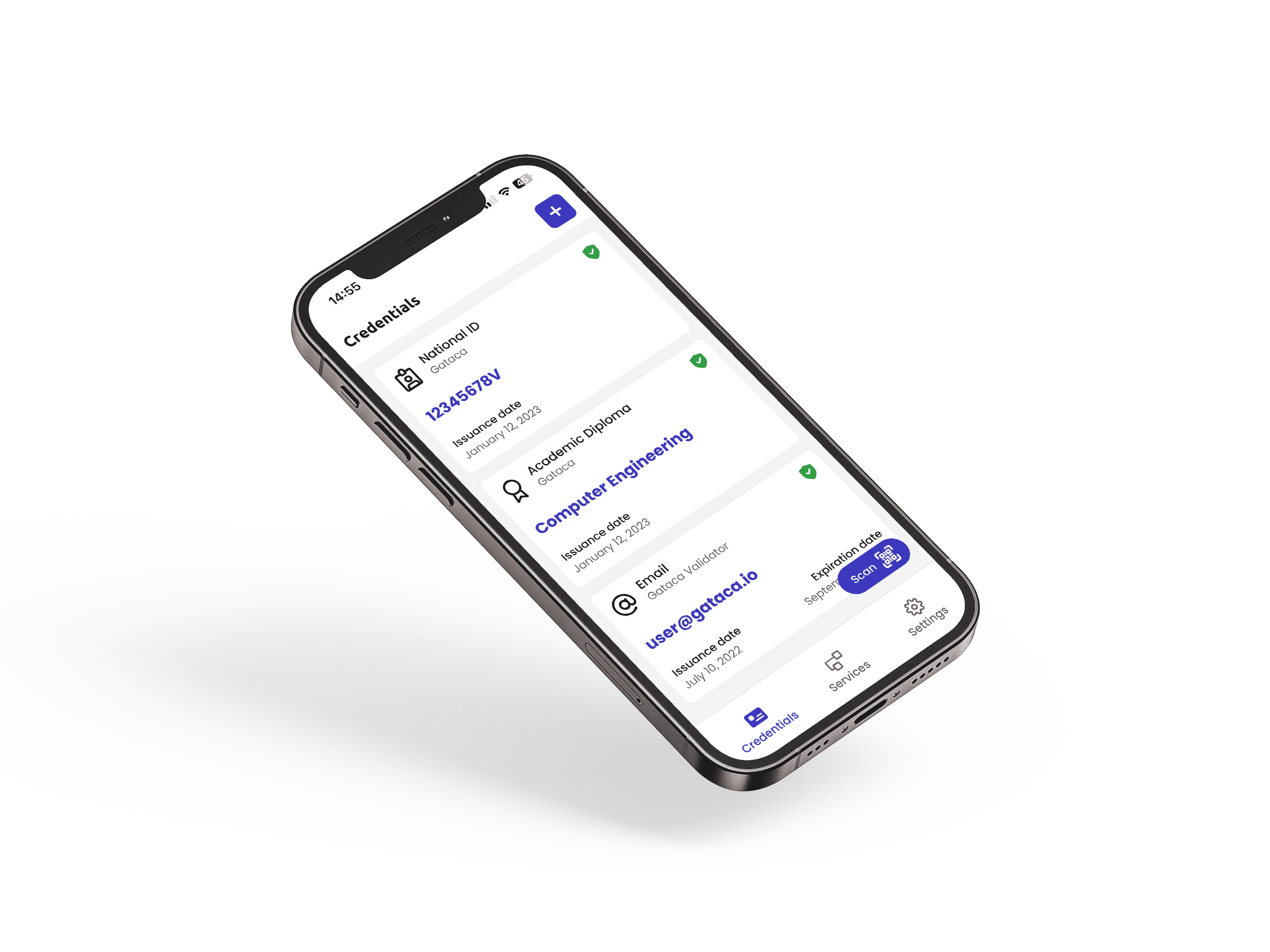
But why is this relevant for age verification? ID Wallets allow users to prove their age without disclosing other personal data. This can be done through selective disclosure, choosing only to share their birth date, or by providing an “Age Over 18“ credential, which would not provide any other unnecessary information than what age verification systems require.
Why do ID Wallets outshine traditional methods?
- Reliability: ID Wallets verify age with certainty, using advanced cryptography that automatically verifies data authenticity. This ensures compliance with all legal age verification regulations around the globe.
- Safety: Only authorized users can access your services, preventing underage users from accessing inappropriate content, products, or services, and promoting a safe online environment.
- Privacy: Users can verify their age without revealing unnecessary personal information, ensuring anonymity and unlinkability across services. Moreover, ID Wallets give users greater control over their personal information by allowing them to choose what data to share and with whom.
- Security: ID wallets use in-device biometrics, strong encryption, and self-storage (information is stored on the user's device), ensuring the highest level of security for sensitive personal information and minimizing the risk of data breaches.
- Usability: Integrating ID Wallets ensures a smooth and intuitive user experience, minimizing friction to just one click from the users' phone.
- Competitive advantage: Integrating ID wallets into your business strategy opens doors to new business opportunities beyond age verification.
Gataca Vouch: Privacy-first Age Verification
Gataca Vouch is an Identity Provider (IdP) solution designed to make age verification easy and secure by interacting with ID Wallets.
With Gataca Vouch, users can prove they are of legal age with just a tap on their phone, without revealing any personal information. This ensures complete anonymity for adults and minimizes any impact on platform traffic.
How it works?
Users scan a QR code with their ID Wallet before accessing restricted content, share a credential confirming they are above the required age with a single click, and gain instant access—no personal information is shared, not even their exact age or birthdate.
The credential shared is an "Age Over 18" (or the required age) verifiable credential obtained within the Gataca Wallet.
What sets Gataca Vouch apart?
Unlike federated identity systems like "Sign in with Google" or Facebook, Gataca Vouch doesn't store user information. Instead, users manage and store their data in their ID Wallets, ensuring privacy and control.
Gataca Vouch is also adaptable for various identity verification needs, making it a versatile solution and opening new business opportunities for organizations beyond age verification as demand for ID Wallets and verifiable credentials continues to grow.

Esther Saurí
Digital Marketing